Learn how voice therapy introduces guided steps to maintain a strong voice.
Wiki Article
Open Your Vocal Possible: Just How Voice Therapy Can Change Your Talking Capabilities
Voice therapy supplies an organized strategy to enhancing singing capacities. It systematically deals with numerous vocal obstacles that people may encounter in their lives. By concentrating on strategies that improve pitch control and lower pressure, voice therapy can cause visible enhancements in communication. The journey to singing makeover is not just concerning methods. It also includes recognizing the hidden elements that contribute to singing health and wellness and performance.Comprehending the Essentials of Voice Treatment
Although many individuals might not recognize it, voice therapy plays a crucial function in enhancing talking capacities for individuals with voice conditions. This customized form of therapy concentrates on boosting the high quality, pitch, quantity, and overall performance of the voice. Voice therapists analyze the particular needs of each individual, often using techniques to improve and strengthen singing cords breath support. Techniques may consist of workouts for leisure, articulation, and vibration, tailored to deal with unique singing obstacles. Furthermore, treatment incorporates education and learning on vocal hygiene and healthy and balanced speaking routines, promoting lasting voice use. Eventually, the objective is to empower individuals, helping them gain back self-confidence in their singing abilities and enabling them to connect efficiently in numerous personal and specialist settings.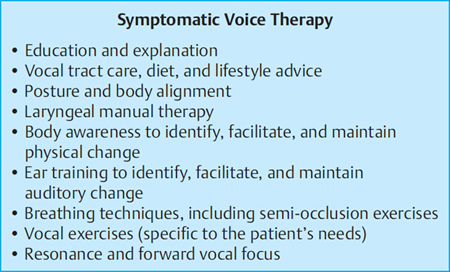
Common Vocal Challenges Dealt With in Treatment
Voice treatment properly deals with a range of singing obstacles that people may encounter. Common issues include hoarseness, vocal tiredness, and difficulty predicting the voice. Individuals may additionally fight with pitch control, bring about monotone speech or excessive singing stress. Conditions such as vocal blemishes and laryngeal stress often call for specialized intervention. Therapy can assist those with certain needs, such as speakers or performers, who might experience anxiousness that impacts singing delivery. Additionally, people recouping from surgery or injury to the vocal cables benefit from targeted exercises to regain stamina and flexibility. By identifying and dealing with these difficulties, voice therapy provides tailored approaches to boost vocal health and functionality, encouraging individuals to connect better.The Benefits of Collaborating With a Voice Therapist
Dealing with a voice therapist offers numerous advantages for people seeking to improve their singing capacities and overall communication abilities. One main benefit is the tailored method a therapist offers, addressing details individual objectives and singing challenges. This customized focus fosters a deeper understanding of one's one-of-a-kind singing high qualities and restrictions. In addition, voice therapists educate customers about appropriate vocal techniques, reducing the risk of pressure or injury. They also produce a supportive setting, motivating self-confidence and lowering anxiousness associated to public talking or performance. In addition, customers often experience improvements in articulation, pitch control, and vibration, leading to much more interesting and efficient communication. On the whole, collaborating with a voice therapist can bring about substantial innovations in both personal and professional communications.Techniques and Workouts for Singing Renovation
Efficient singing renovation frequently depends upon targeted exercises and methods. Breathing strategies can boost control and assistance, while articulation workouts concentrate on quality and precision in speech. voice therapy. With each other, these techniques work as essential tools in voice treatment for establishing stronger speaking abilitiesBreathing Techniques
Several people seeking to boost their vocal capacities can take advantage of grasping essential breathing strategies. Correct breath control is essential for efficient voice production, allowing audio speakers to forecast their voice and preserve quality. Diaphragmatic breathing, where one breathes in deeply into the abdominal area instead of the chest, can greatly enhance singing endurance and quality. Practicing sustained vowel seems while breathing out promotes air flow law and strengthens the respiratory muscular tissues. Furthermore, incorporating workouts such as the "hissing" strategy, where an individual exhales gradually while creating a hissing sound, can improve breath control. By constantly incorporating these methods right into their regular, people can experience marked improvements in their talking abilities, leading to greater confidence and vocal existence.Articulation Workouts
Articulation exercises play an important duty in improving singing clearness and precision. These workouts concentrate on the specific motion of the lips, tongue, and jaw, which are important for generating clear speech audios. Common techniques consist of tongue whirlwinds, which test the audio speaker's capability to articulate rapidly and accurately, and exaggerated vowel and consonant noises to reinforce muscle control. In addition, practicing slow-moving speech can aid people establish an extra mindful awareness of their articulation patterns. Regularly incorporating these workouts right into a singing regimen can result in enhanced diction and decreased speech i was reading this mistakes. Ultimately, constant method not just boosts confidence but also promotes more efficient interaction, permitting people to express themselves with higher clearness and influence.
Real-Life Success Stories: Makeovers With Voice Therapy
While some people may have problem with their talking capacities as a result of different obstacles, voice treatment has actually confirmed to be a transformative experience for lots of. For circumstances, a young professional called Sarah experienced considerable stress and anxiety throughout public speaking interactions. Via individualized voice treatment sessions, she learned strategies to handle her anxiety and boost her vocal projection. As an outcome, Sarah acquired self-confidence and got accolades for her presentations. A retired instructor called John, that encountered vocal pressure after years of training, found relief and boosted clearness through targeted exercises. These success stories highlight the profound effect of voice treatment, making it possible for people to conquer challenges and gain access to their singing capacity, ultimately causing enhanced interaction in both individual and specialist spheres.
Maintaining Vocal Health: Tips for Everyday Use
Maintaining vocal health is vital for efficient interaction and total health. Key practices consist of remaining hydrated, participating in warm-up singing exercises, and utilizing strategies to avoid singing strain. These techniques can significantly improve vocal efficiency and durability in everyday use.Hydration and Vocal Health And Wellness
Hydration plays an important role in preserving vocal wellness, as a well-hydrated voice can enhance quality and lower the threat of pressure. Preserving adequate fluid consumption is vital for audio speakers and singers alike, as dehydration can lead to vocal exhaustion and reduced performance. Water is one of the most efficient selection for hydration, while caffeinated and liquors can add to dehydration and ought to be eaten in moderation. In addition, maintaining a humid setting can also sustain singing health and wellness by preventing dry skin in the throat and singing cords. Furthermore, including hydrating foods, such as fruits and veggies, can match fluid intake. By focusing on hydration, people can maintain their vocal capacities, making certain optimal efficiency and durability in their talking endeavors.Workout Singing Exercises
To sustain singing wellness properly, incorporating warm-up vocal exercises into an everyday regimen is crucial. voice therapy. These workouts prepare the singing cables for usage, enhancing flexibility and reducing the risk of injury. Basic methods such as lip trills, humming, and mild sirens can improve vocal array and resonance. Additionally, practicing ranges in a comfy pitch can assist develop a strong foundation for talking. Breathing exercises, focusing on diaphragmatic support, are also vital, as they promote ideal airflow throughout speech. Engaging in these warm-ups not only help in maintaining singing quality but additionally promotes self-confidence in talking capabilities. By committing to normal warm-up singing workouts, people can considerably improve their singing efficiency and maintain lasting vocal healthAvoiding Pressure Techniques
Lessening singing pressure is vital for maintaining long-term singing health and wellness. Individuals can implement numerous strategies to secure their voices during daily tasks. First, maintaining proper stance enables optimal air flow and vocal cord feature. Hydration plays a crucial role; alcohol consumption sufficient water keeps the singing cords lubricated. Making use of a microphone in loud environments lowers the need to raise one's voice. In addition, exercising breath control helps handle singing projection image source without strain. Taking regular vocal breaks permits the voice to recover and lessens fatigue. Ultimately, avoiding throat clearing and yelling can stop unneeded strain. By incorporating these strategies right into daily routines, individuals can sustain their vocal health and wellness and improve their speaking capacities over time.Frequently Asked Concerns
How Much Time Does Voice Treatment Normally Last?
Voice treatment commonly lasts in between 6 to twelve sessions, relying on the person's objectives and demands. voice therapy. Each session normally spans 30 to 60 minutes, enabling for tailored development and ability growth graduallyCan Voice Treatment Aid Individuals With Accents?
Yes, voice treatment can help individuals in changing their accents. Through targeted strategies and exercises, therapists assist customers adjust pronunciation, modulation, and speech patterns, inevitably improving quality and interaction effectiveness in various contexts.Is Voice Therapy Appropriate for Kid?
Voice treatment is indeed suitable for youngsters. It can attend to various singing concerns, including speech problems and accent alteration, promoting efficient interaction abilities while promoting confidence and quality in their speech advancement as they expand.What Certifications Should a Voice Therapist Have?
A competent voice therapist generally holds a master's degree in speech-language pathology, has appropriate certifications, and has actually specialized training in voice disorders. Experience in scientific setups boosts their ability to effectively assess and treat vocal issues.Just How Much Does Voice Treatment Generally Price?
Voice treatment generally costs between $75 and $250 per session, depending upon the specialist's credentials and location. Many professionals use package offers, which can lower the overall expense for clients looking for several sessions.Voice therapy successfully addresses a variety of singing difficulties that individuals might encounter. Key methods include staying hydrated, engaging in workout singing exercises, go right here and utilizing techniques to stay clear of singing strain. Additionally, maintaining a moist setting can also sustain singing wellness by preventing dryness in the throat and vocal cables. To sustain vocal health properly, incorporating workout singing exercises into a day-to-day regimen is essential. Decreasing vocal stress is essential for preserving long-lasting vocal health.
Report this wiki page